ValHyCon Kick-off Meeting

ABC-gebouw Zeebrugge
Rederskaai 60/61, Brugge, 8380
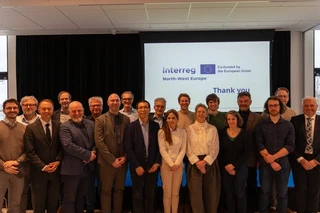
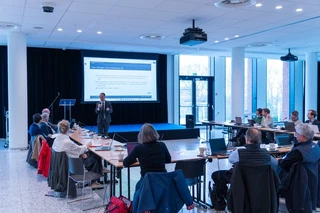
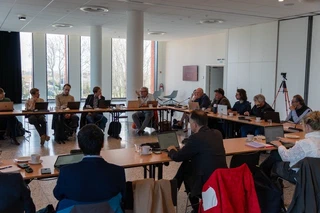
Two days of intensive collaboration and exchange marked the official launch of the Interreg North-West Europe (NWE) project ValHyCon, held in Zeebrugge, Belgium, on 16 and 17 March 2026.
ValHyCon brings together a consortium of eight key partners from across North-West Europe, each actively developing regional hydrogen valleys. These ecosystems integrate hydrogen production, transport, storage, and end use, serving as critical growth hubs for scaling hydrogen deployment and contributing to Europe’s ambition of establishing 100 hydrogen valleys in the near future.
Consortium Partners
The project unites leading organisations across the hydrogen landscape, including:
- WaterstofNet (Belgium)
- Cluster TWEED (Belgium)
- Hydrogen Ireland (Ireland)
- HyCologne - Hydrogen Region Rhineland (Germany)
- HyNorth (Netherlands)
- Hydrogen Valley Emsland (Germany)
- University of Luxembourg (LuxHyVal)
- Pôle Énergie (France)
Project Vision and Objectives
While many hydrogen valleys have progressed independently, ValHyCon aims to strengthen transnational collaboration by enabling partners to learn from each other and accelerate collective impact.
Key objectives include:
- Exchanging and documenting best practices and lessons learned
- Launching pilot initiatives to support cross-border cooperation
- Developing a coordinated long-term strategy to physically and operationally connect hydrogen valleys
Key Outcomes from the Kick-off Meeting
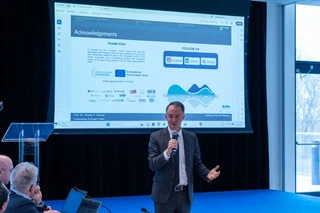
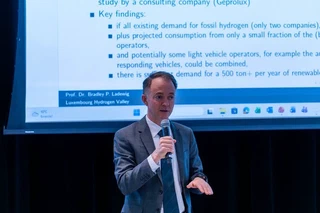
During the launch event, partners shared insights into their regional ecosystems, highlighting the diversity of approaches, strong ambitions, and a shared commitment to advancing hydrogen deployment beyond early-stage enthusiasm toward practical, scalable implementation.
A notable highlight was a site visit to the HyOffWind project, featuring a 25 MW electrolyser developed by Virya Energy and Messer Technische Gase. This provided a tangible demonstration of large-scale renewable hydrogen production in practice.
ValHyCon represents an important step toward a more integrated and collaborative European hydrogen landscape, reinforcing the role of hydrogen valleys as engines for regional innovation and decarbonisation.
Photos